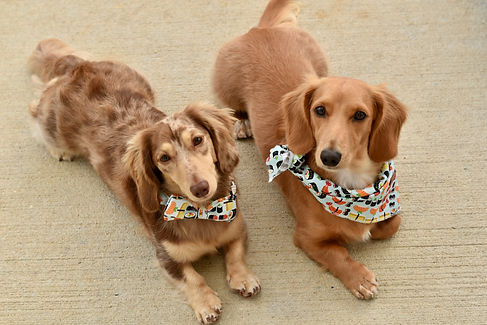
The Perfect Photo
A good reference photo is a MUST for a good painting. This is the most important step when commissioning a painting. Poor quality reference photos will make both of us unhappy with the result :( Not only does it take more time to tweak and try to get right due to blurry or missing details, the paintings never turn out quite... as nice as my paintings with crisp photos. At the bottom of this page you will also find a PDF and video I have put together as well.
When in doubt, please message me via my social media accounts (link at bottom), email me at mkcrowart@gmail.com, or send a contact form through my website.


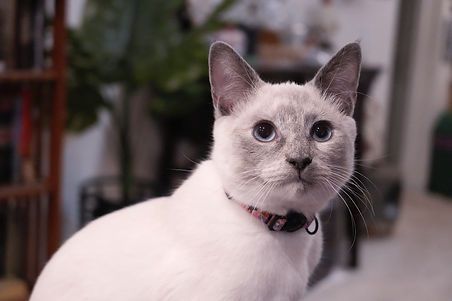
What Makes a Good Reference Photo?
It's all about the eyes. Make sure the camera is at the animal's eye level to avoid distortion. Position the camera 1-2 feet away from your pet to prevent the nose from looking elongated from being too close or blurry. Make sure the key details in the eyes, including colors, pupils, and highlights, are clearly visible. Ensure that whiskers and fur texture are clear and distinct.
Use soft, indirect daylight for the best lighting. Place your pet in front of a window with bright, indirect light or take photos outside in the shade or on a cloudy day. Capture your pet in a natural standing or sitting position with their neck fully visible. A 3/4 turned head often works well, but a direct gaze is also effective.
To keep your pet engaged, use treats or “magic” words to encourage them to perk up, tilt their head, and keep their ears forward. Provide several photos from different angles to give options for the best reference. Avoid taking or choosing photos from directly above your pet, and steer clear of harsh sunlight, warm indoor lights, or flash, which can make painting difficult.
The reference photo you provide will determine the exact pose of your painting. I cannot alter the position or correct poor-quality images, as this may result in an unnatural depiction. Clear, detailed photos with true-to-life colors and visible eye details will ensure a beautiful and accurate painting.
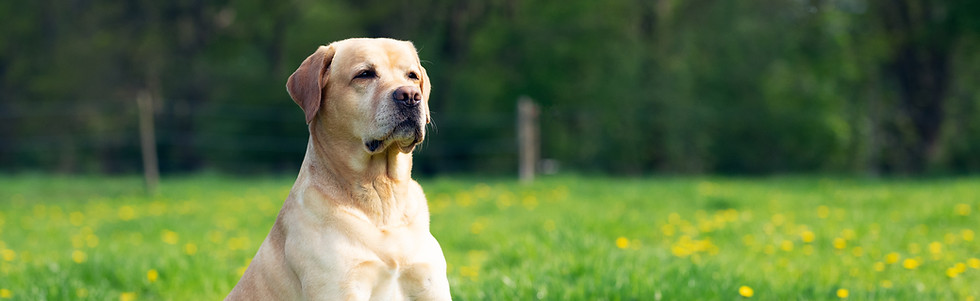
What Makes a Poor Reference Photo?
A poor reference photo can significantly impact the quality and accuracy of the final painting. Avoid taking photos from directly above your pet, as this distorts their features. Photos taken too close can also cause distortion, making your pet’s features look unnatural. Direct sunlight, warm indoor lights, or flash can create harsh shadows, glare, and unnatural colors that are difficult to paint accurately. Blurry or low-resolution photos make it hard to capture fine details like fur texture, eye color, and whisker placement.
If the key details in the eyes are not visible, including colors, pupils, and highlights, it’s challenging to create a lifelike painting. Poor lighting, such as too much shadow or overly bright spots, can obscure important details and alter the true colors of your pet’s fur and eyes. Photos where the subject’s pose is unnatural or not fully visible, such as when they are lying down with their neck hidden, can make it difficult to create a natural and engaging portrait.
Additionally, make sure you like your pet's expression in the photo. Many times I get a reference photo of the most stressed out and sad looking dog with whale-eyes, excessive panting, and facial tension ridges dominating the features of their face. A calm, relaxed subject with soft eyes allows me to focus more on capturing the essence of your pet.
See below for examples of common poses of pets that do not translate well to a good painting.
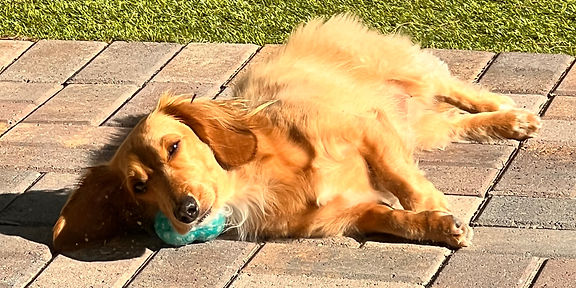


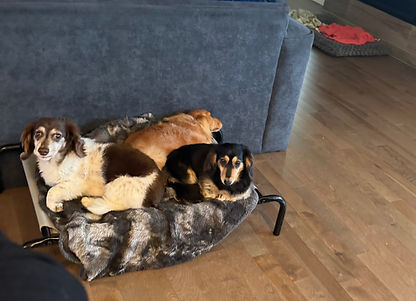
Just a simple change in camera position brings so much more life to the photo!